What plumbing installation covers
Plumbing installation is anything new or relocated: a basement bathroom, a kitchen remodel, a laundry hookup, a new shower or a utility sink in the garage. It is planned work, so we start with a conversation about what you want and what the existing pipes can support.
For emergencies, such as a burst line or failed heater, we have separate pages. If a fixture has failed, see our faucet repair or toilet repair and installation pages. This page is for the planned work.
Common installation projects
Basement bathroom
This needs supply lines, a drain that works with gravity or an ejector pump and a vent. Below-grade drainage is the main design question.
Kitchen remodel
New sink, dishwasher, disposal and ice maker hookups, often with relocated lines.
Laundry room
Supply valves, a standpipe with a trap and a drain pan if the room is above living space.
Shower and tub replacement
New valves, drains and sometimes a larger drain line.
Water filtration and softener lines
Bypass valves, pressure gauges and drain connections.
Outdoor spigots and utility sinks
Frost-proof hose bibs and a laundry sink for the garage or basement.
Planning a remodel?
Call and a plumber will go over what the project needs.
Basement bathrooms: what to decide first
| Question | Why it matters | Common answer |
|---|---|---|
| Where is the main drain? | Gravity drains need the fixture above the sewer line | Check depth of the lateral at the cleanout |
| Is there a floor drain or sump? | Affects layout and flooding risk | Use as a reference, do not tie a toilet to a floor drain |
| Ejector pump or gravity? | Below-grade fixtures may need a pump | Pump if the fixture sits below the main line |
| Vent routing | Fixtures need air to drain | Tie into an existing vent or add one |
| Backwater protection | Protects against sewer backup | Consider a valve on the lateral |
If the basement is prone to water, read our sump pump page and plan the bathroom around dry floors. Below-grade bathrooms in a flood-prone area should include backflow protection, and we can talk you through options.
How an installation project goes
Plan and quote
We walk the space, discuss fixtures and write a scope and price.
Rough-in
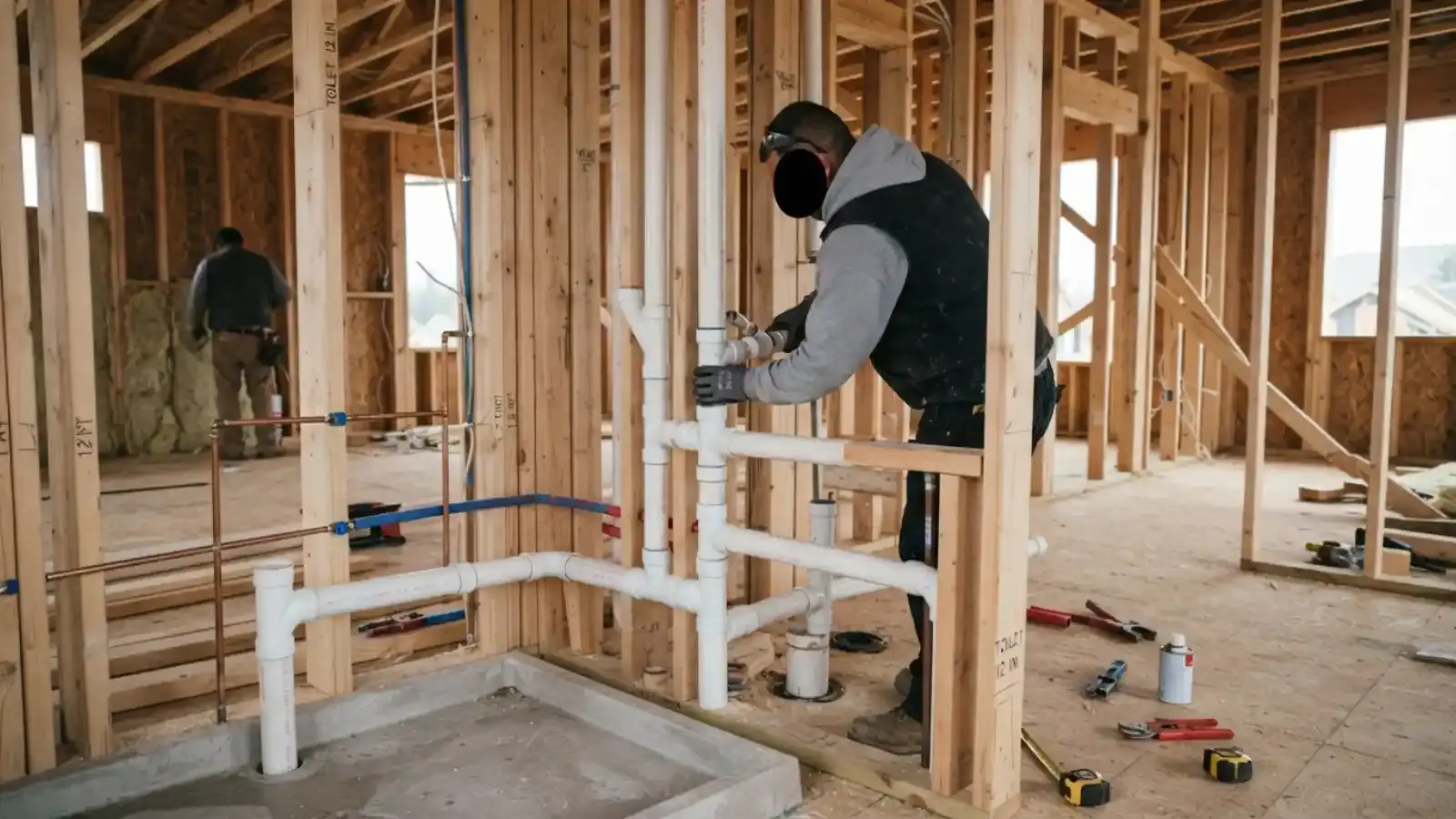
We run supply and drain lines and set the vents before the walls close.
Inspection
Permit rules vary, so we ask you to check with the Calumet City Building and Zoning Department, and we are ready for any inspection.
Set fixtures and test
After the walls are finished, we set fixtures, test every drain and supply and show you the shutoffs.
Remodeling a Calumet City basement
The city's flood prevention page recommends measures for basements that take on water, including floor drain plugs, standpipes, overhead sewers and sewer backup valves, and it notes that sump pump and sewer backup coverage are insurance riders that cost extra. If you are finishing a basement, ask us about where the fixtures sit relative to the sewer and what protects them.
A basement bathroom is a good time to check that your sump discharge goes outdoors and that your cleanout is accessible. It is much cheaper to add a valve or a cleanout before the walls close than after.
Gas piping and gas smells: safety first
If you smell gas, leave the building right away, do not use switches, lighters or phones inside, and call 911 or your gas utility from outside. Do this before you call a plumber. We do not promise a response time for a gas leak, because the utility and the fire department are the right first call.
Planned gas work is different. Adding a gas line for a range, dryer, water heater or boiler is piping work that needs a pressure test and, in most villages, a permit and an inspection. Ask who holds the license for gas piping and what the permit covers before you agree to a price.
What affects the cost of plumbing installation
Installation cost factors
We give a written scope and price. These factors drive it.
Insurance note
New plumbing does not change coverage, but sewer backup and sump pump failure coverage are riders. Ask your agent when finishing a basement.
Want your real number? Call (773) 207-0518 and describe the project.
New plumbing in Illinois must meet the Illinois Plumbing Code, and the Illinois Plumbing License Law requires a licensed plumber for the work. Ask what the permit covers and who schedules the inspection.
Installation questions
We focus on remodels, additions and fixture work. Tell us about your project and we will say whether it fits.
Often yes. We check the drain depth and whether you need a pump. A site visit is the best way to know.
Most new plumbing work needs a permit, and rules vary. Ask the Calumet City Building and Zoning Department what applies.
Yes, through our emergency lines, including burst pipe repair. Planned installation is scheduled.
Yes. We install the supply valves, drain connections and any needed standpipe.